Reykjavík, Iceland
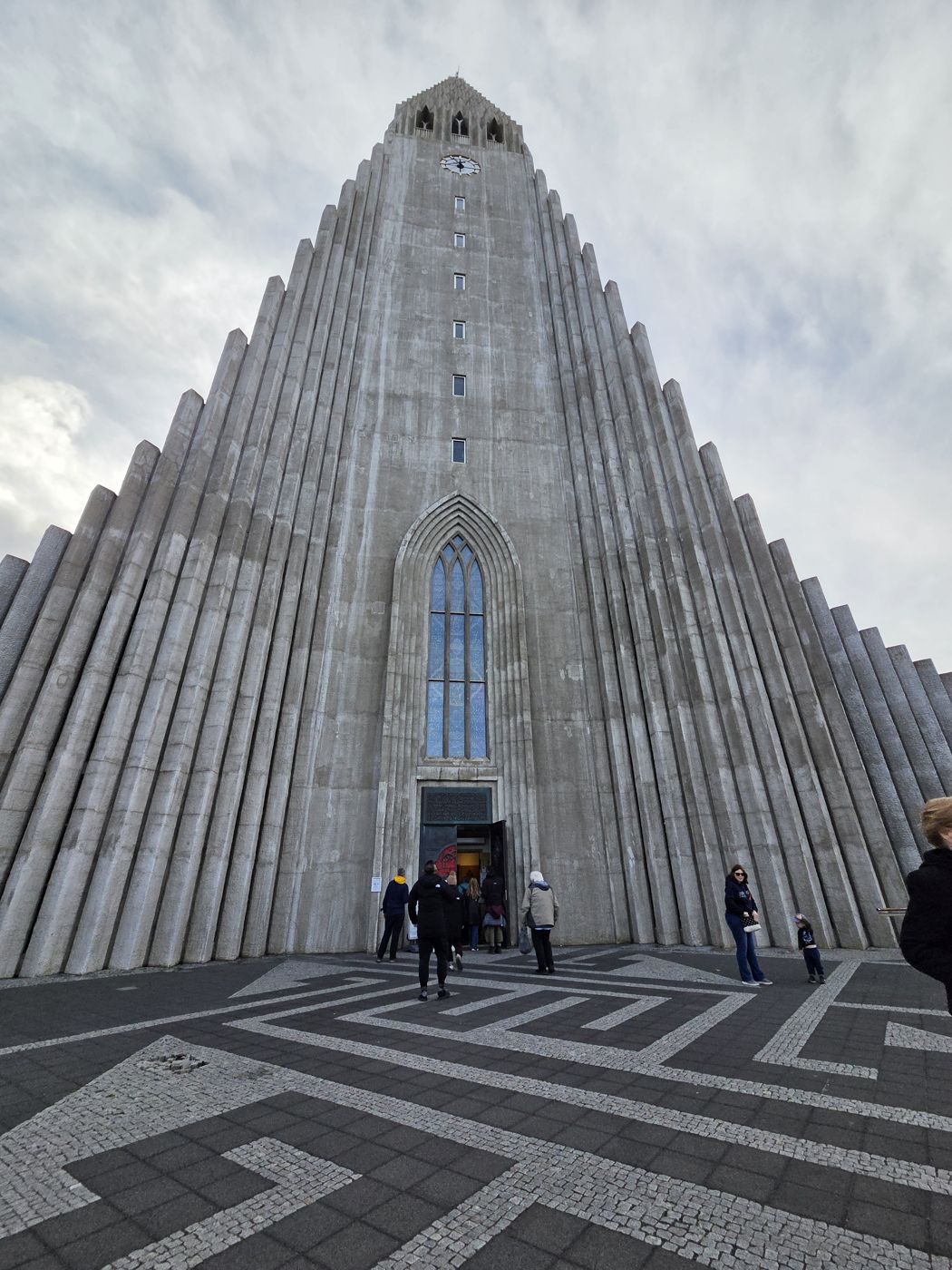
I honestly enjoyed Reykjavík more than most of my Iceland cruise. It was more accessible than the other ports I visited, and exploring it on my own with my scooter after the cruise was the highlight of my trip. I can't wait to go back.
The Blue Lagoon
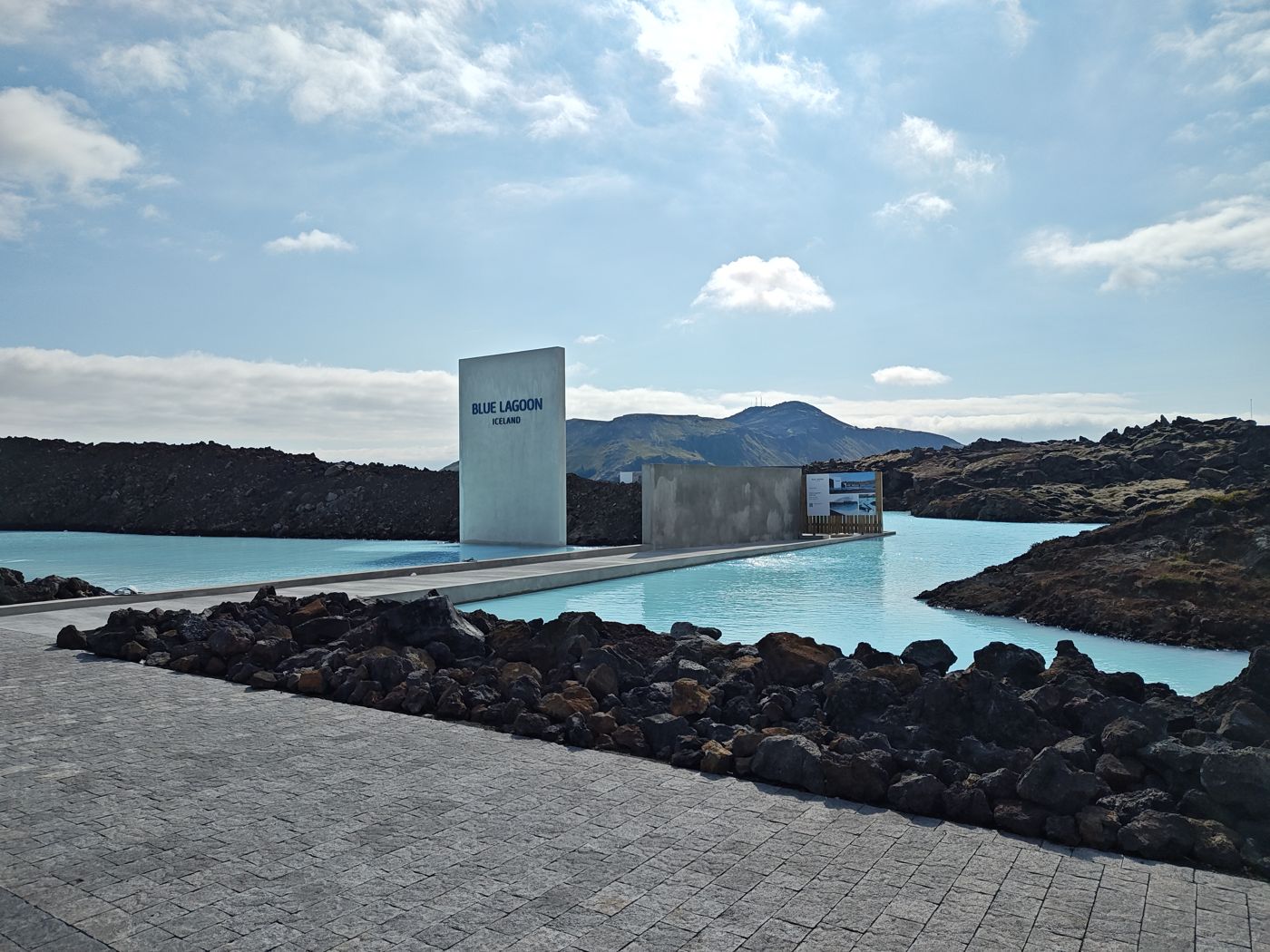
Most people say about three hours is a good amount of time at the Blue Lagoon. I soaked for hours. It was like the perfect warm bath that never gets cold, and it felt so good on my sore body. I think I may have been a mermaid in a past life!
My tip: take the warning about keeping your hair out of the water seriously. If your hair gets in, you'll need a strong clarifying shampoo and heavy-duty conditioner, stronger than hotel toiletries. I had to make a special trip to the supermarket.

Getting around: the hop-on hop-off bus
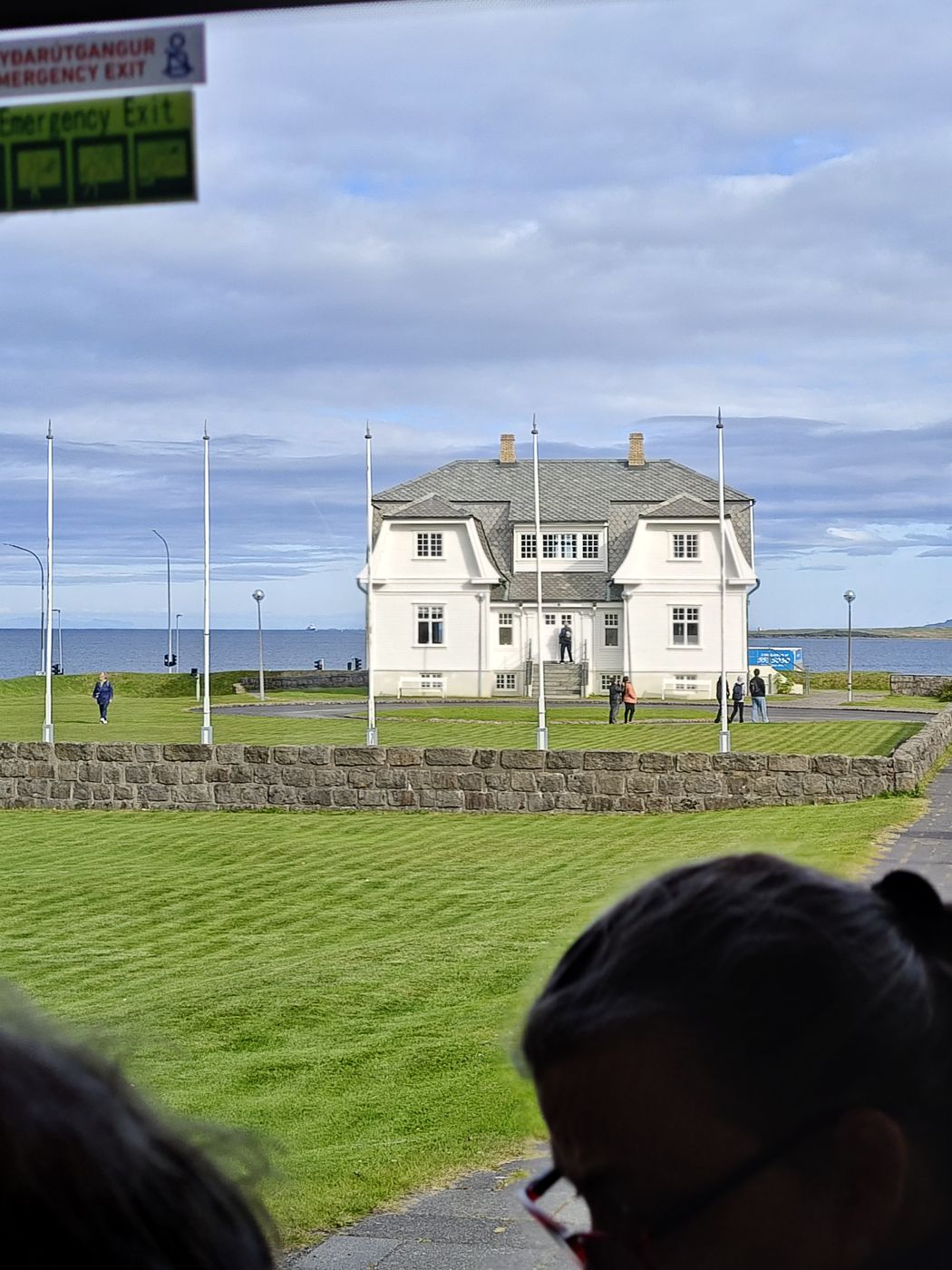
I really enjoyed Reykjavík's hop-on hop-off bus. It was accessible with my scooter, and it was the best way to get up the hill to Perlan, which sits at the top of Öskjuhlíð, the city's tallest hill. The hop-on hop-off bus stops right at Perlan.
Good to know: the hop-on hop-off hours are shorter than in a lot of cities. One recent schedule listed departures only from about 9:30 a.m. to 4:15 p.m., every 45 minutes, so check the current times and plan your last ride back. City bus route 18 has a stop called Perlan, but some guides describe a short walk up the hill from the city bus stops, so confirm the route if you're using a scooter or wheelchair.

Vikings, Norse gods, and murals
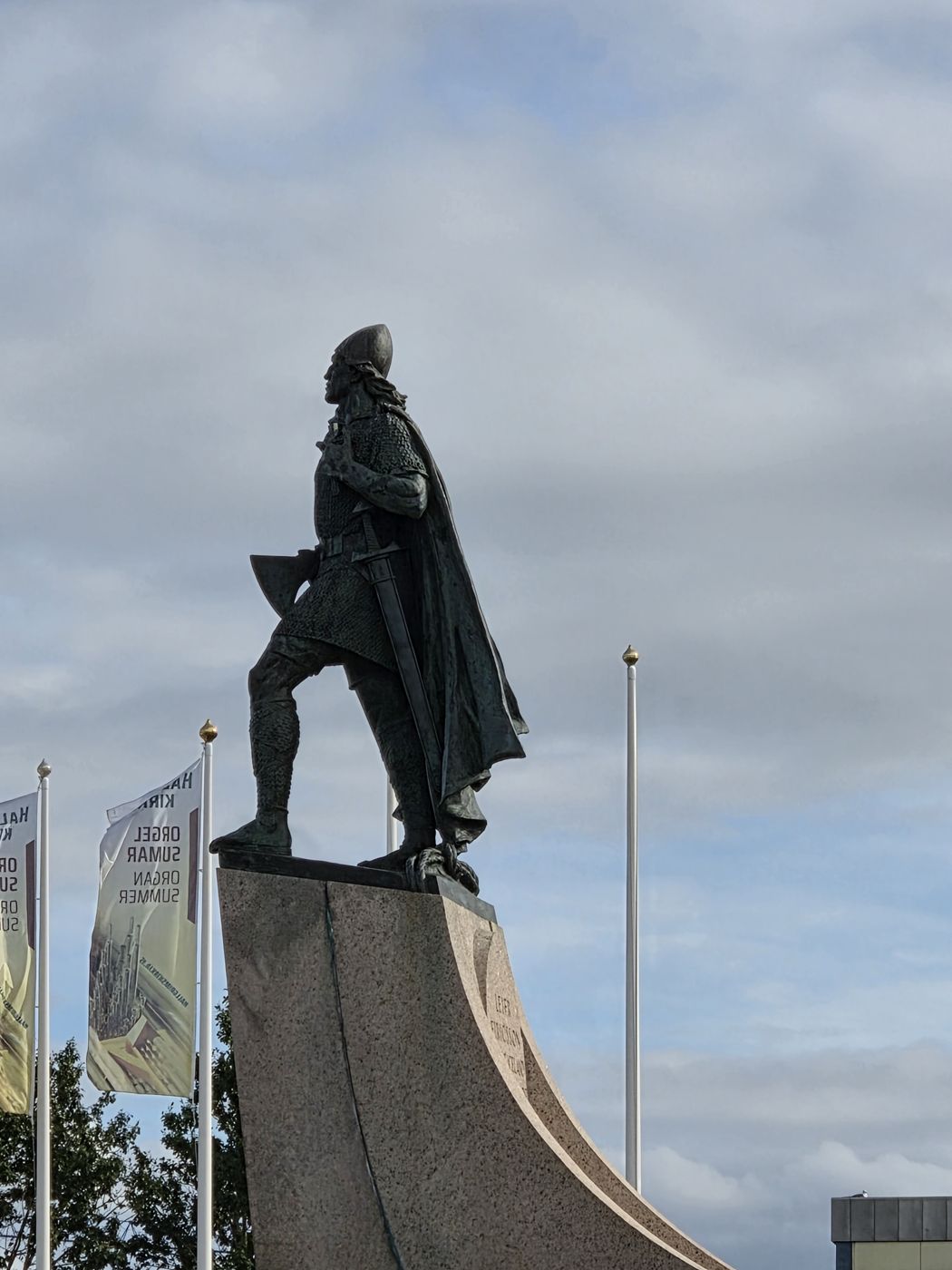
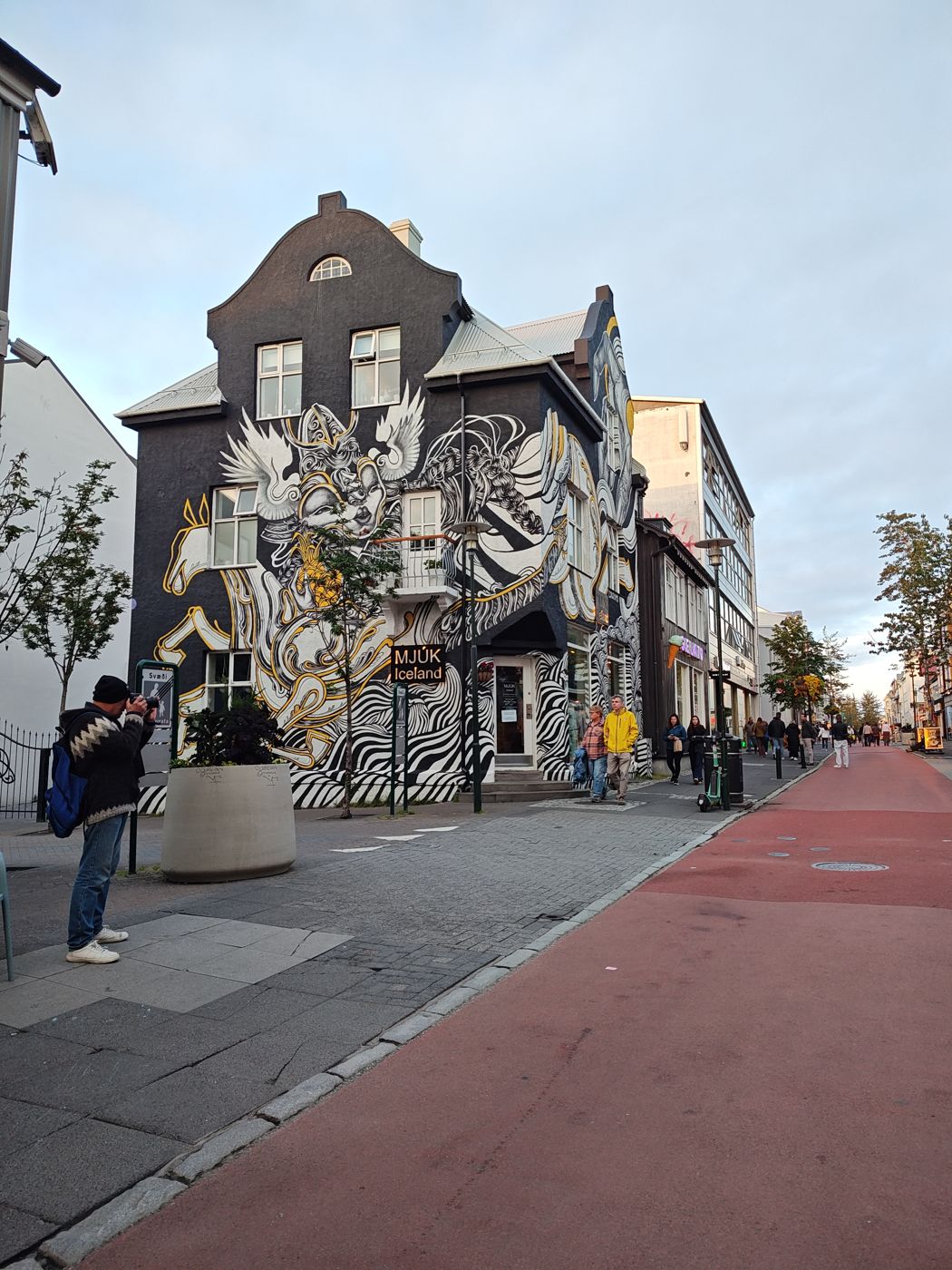
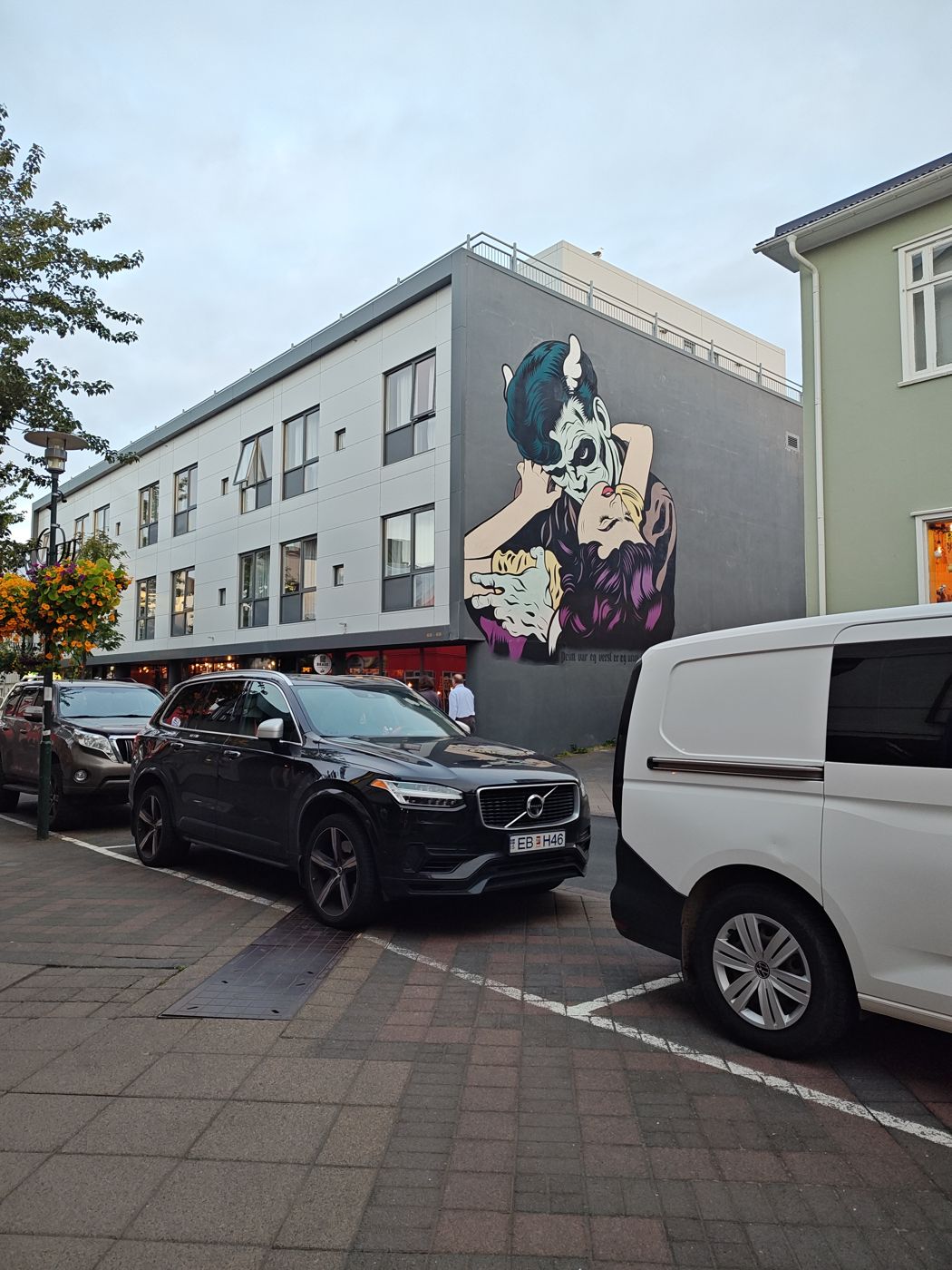
I loved all the Viking history and the Norse gods everywhere in Reykjavík, and the colorful murals all over the city. If you're a mythology or history geek like me, there's something to spot around almost every corner. Exploring at my own pace on my scooter made it easy to stop and look.



Perlan museum: don't miss it
Perlan is my pick for a not-to-be-missed experience in Reykjavík, and it's accessible. For the most immersive volcano experience, I transferred from my scooter to a regular seat. I rode my scooter right into the ice cave, then used a different exit, and the staff were great about directing me around.
The zoo: Icelandic animals
Reykjavík's zoo isn't like zoos in the United States. Instead of exotic animals from around the world, you'll see Iceland's native animals and the domestic animals Icelanders rely on, so it's a fun way to learn about life in Iceland.
My tip: I saw an arctic fox there in summer, and it was dark, not white! Arctic foxes change color with the seasons: white in winter to blend in with the snow, and brown or gray in summer. So don't expect the snowy white fox from the famous photos if you visit in summer.

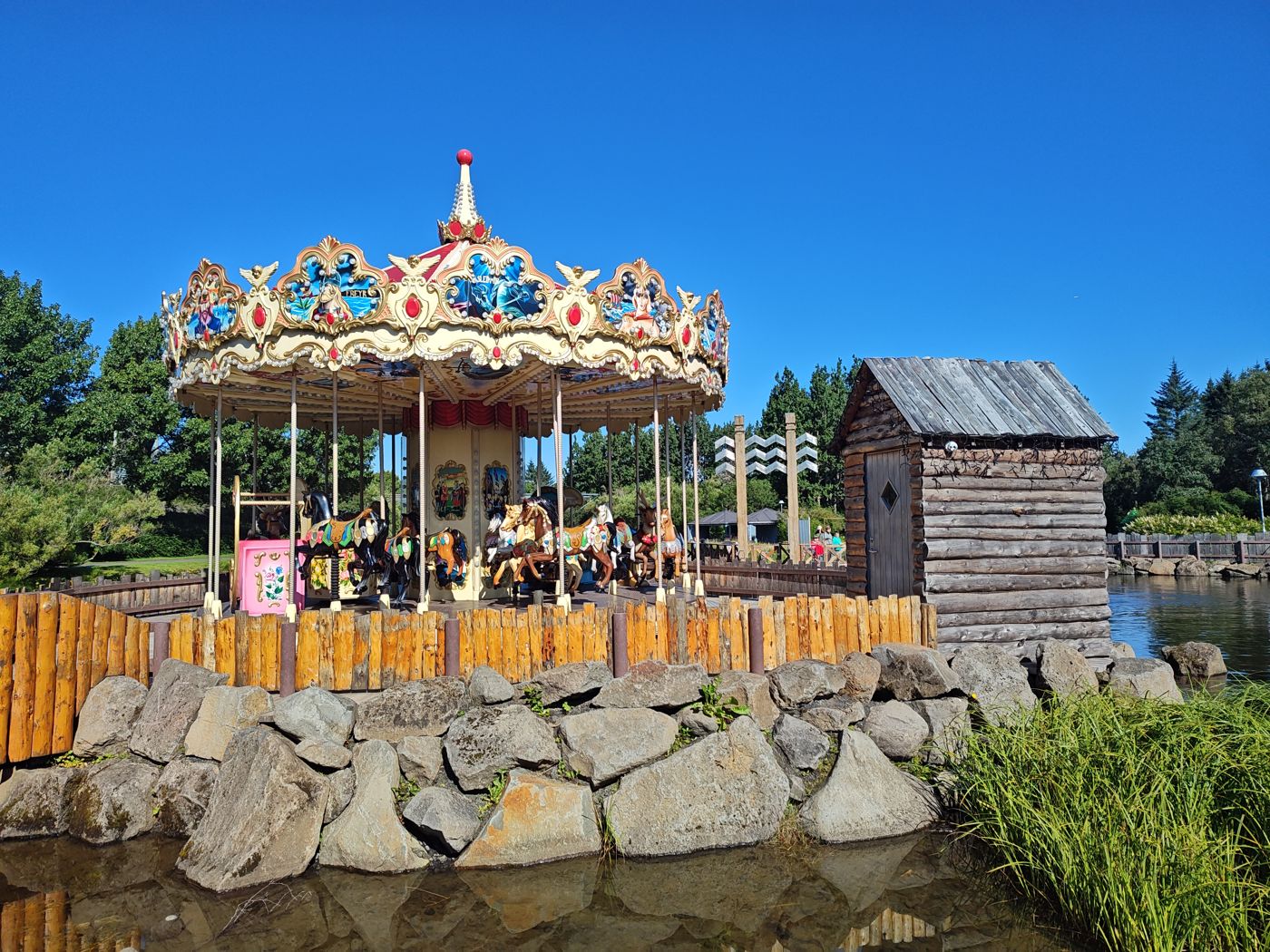
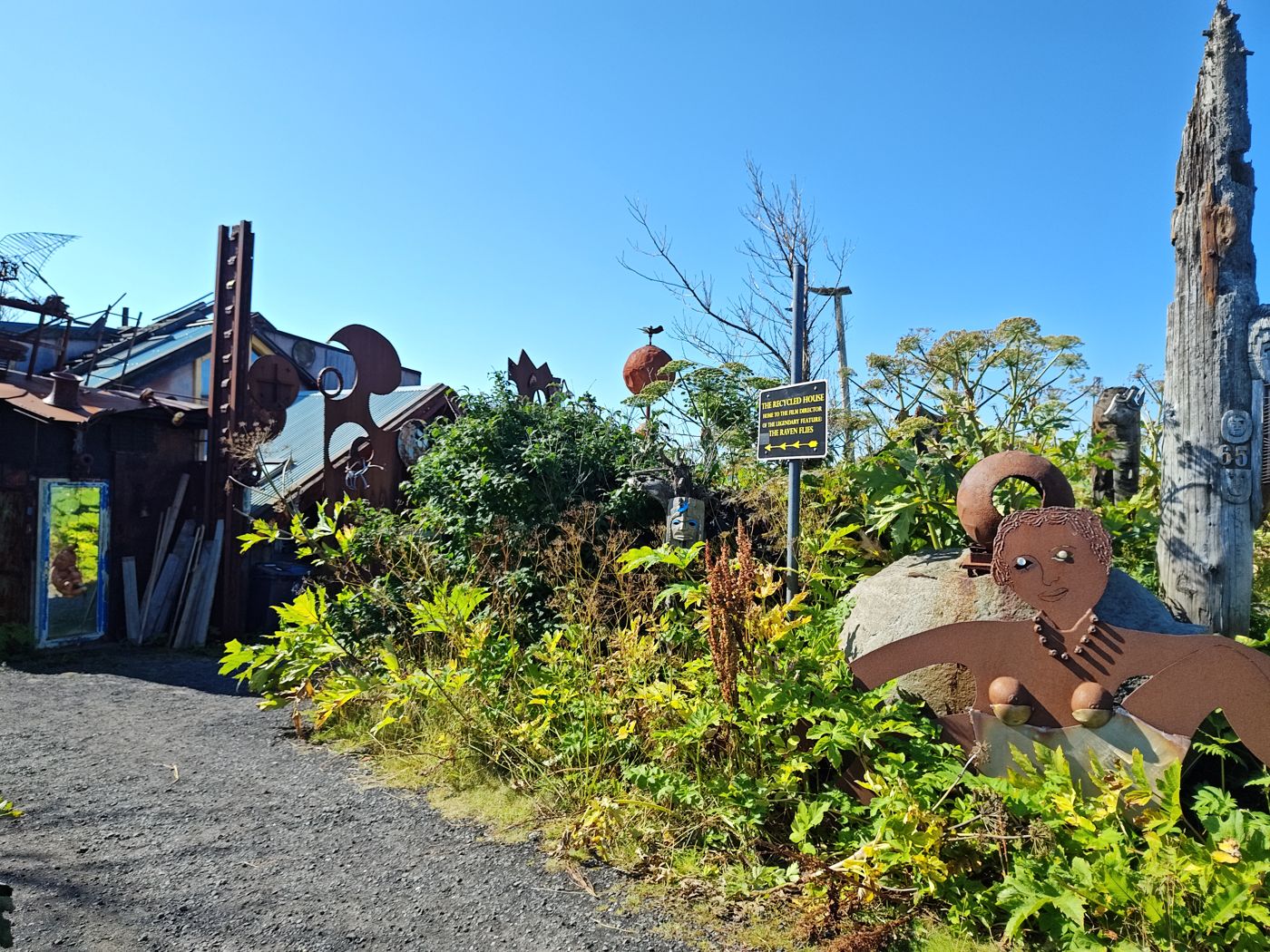
My puffin tour
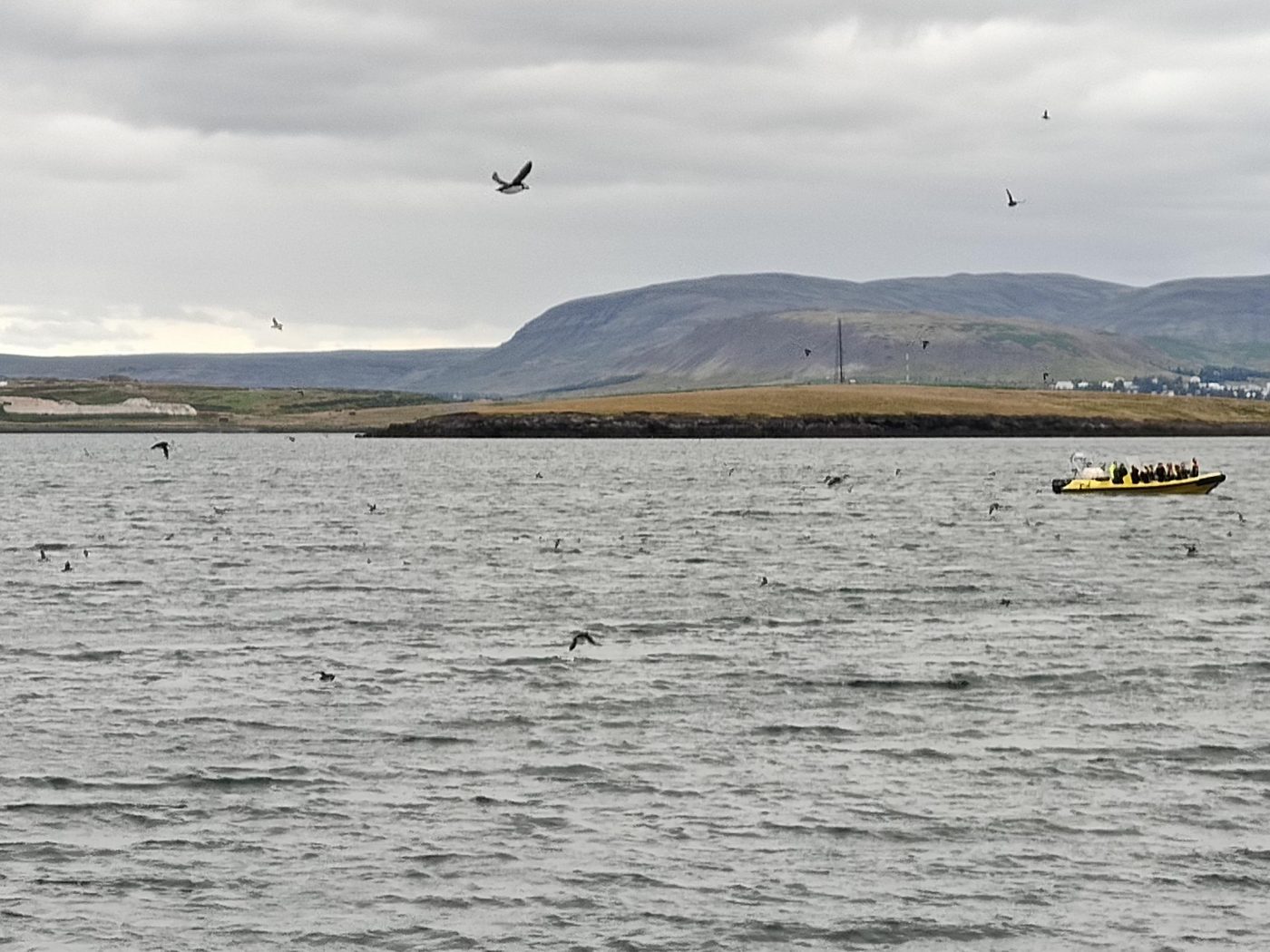
I booked a puffin tour from Reykjavík on my own after my cruise, not as a ship excursion. Puffins are much smaller than they look in photos, about 10 inches tall. The tour provided binoculars, but without a camera with a strong zoom, photos are hard. A friend took a whale watching tour with the same company, and her huge whales on camera next to my tiny puffins made quite the contrast, but I'm so glad I saw them!
Accessibility: some boats, like the small yellow speedboat in my photo, get closer to the birds, but they're less accessible, and I don't recommend them for anyone with mobility challenges. Even the standard tour boat was a bit challenging, and I had to leave my scooter behind. Puffin season runs roughly mid-May to mid-August.
Where I stayed
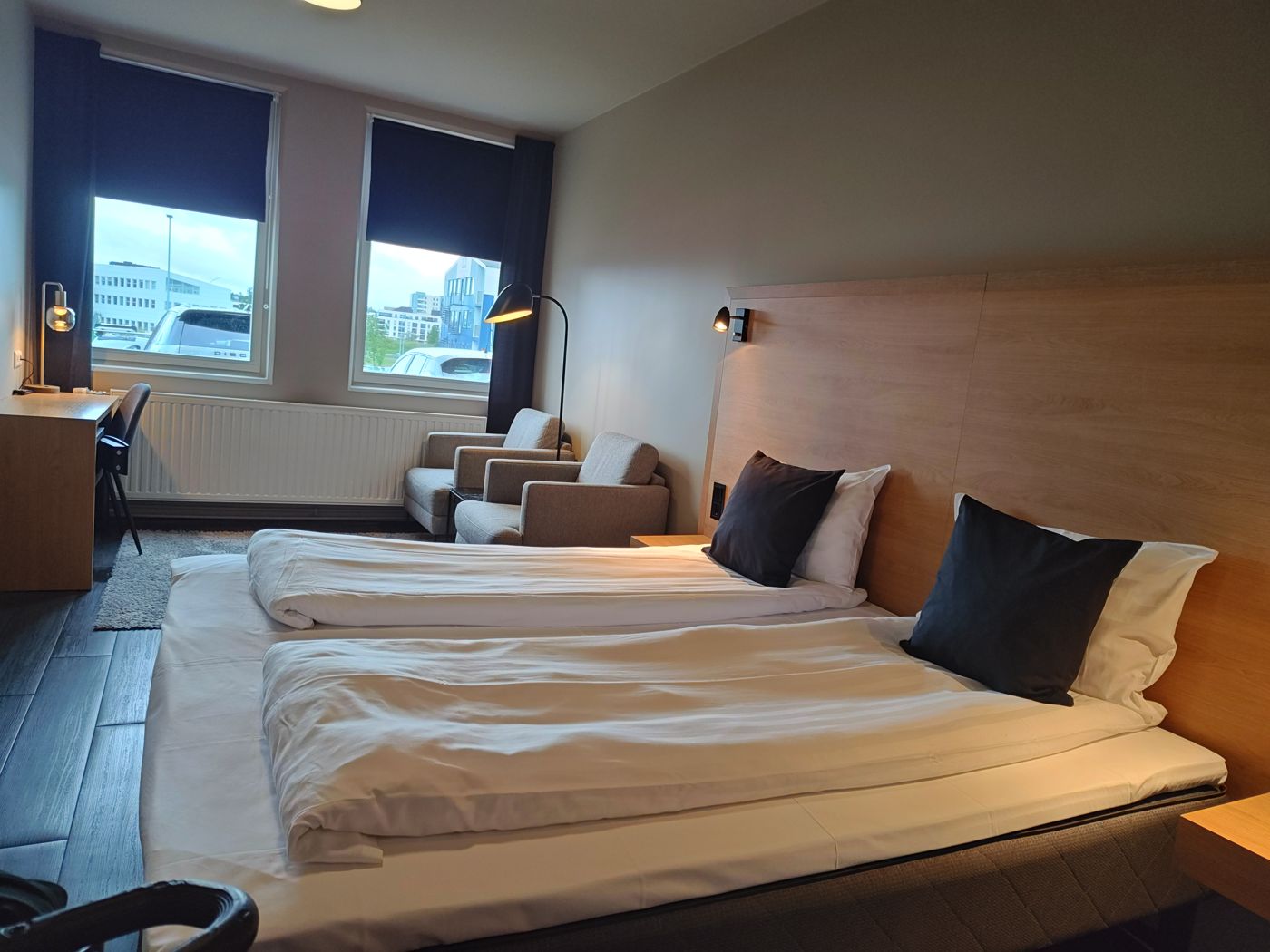
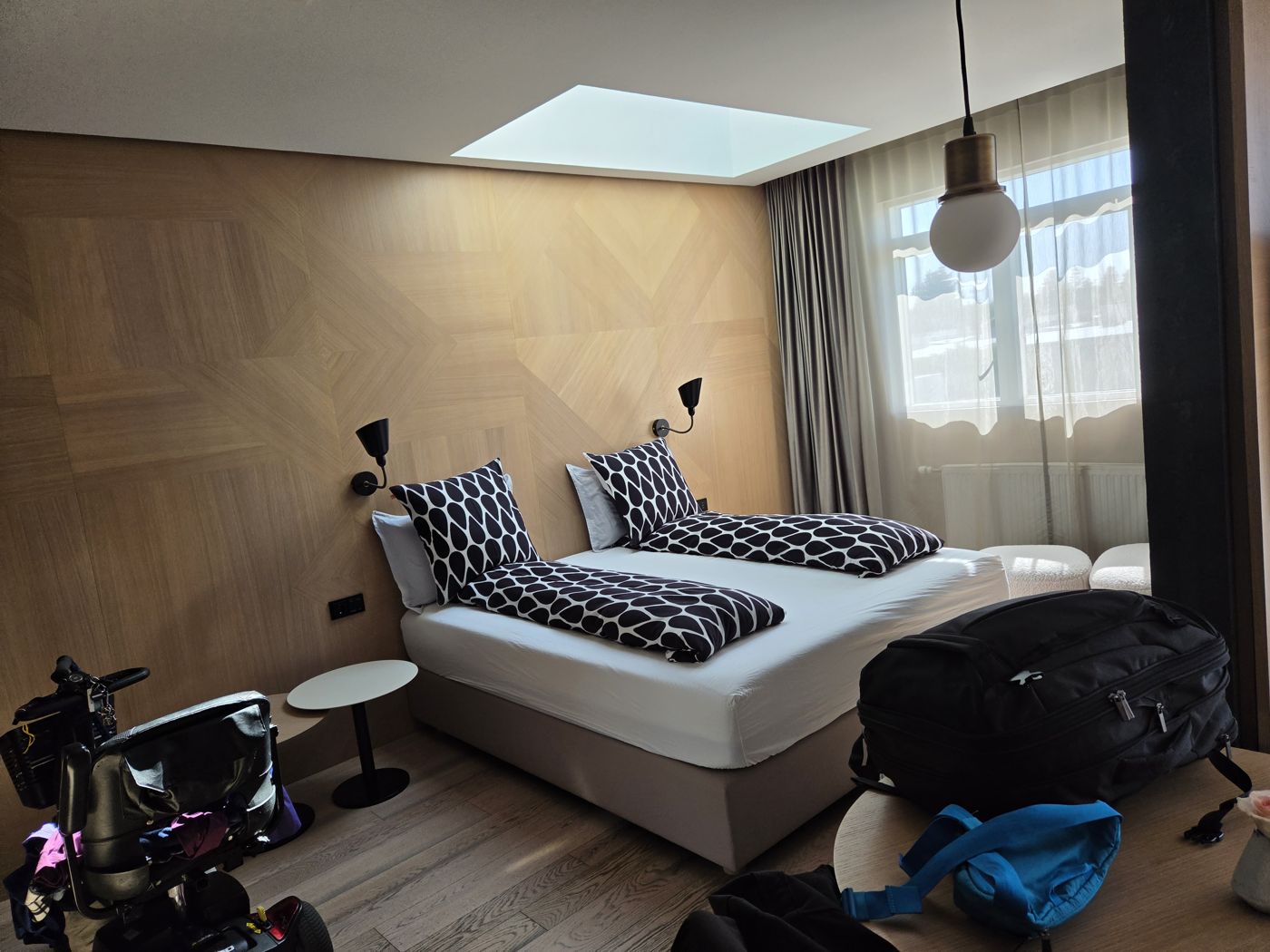
201 Hotel, Kópavogur (the night before my cruise): a modern hotel in Kópavogur, just outside Reykjavík, for one night before boarding.
Hotel Lotus, Reykjavík (three nights after my cruise): my home base for exploring the city on my own, with room to park my scooter in my room.
Cruising to Iceland: what I wish I'd known
My Iceland cruise was the hardest accessible trip I've taken. Several Iceland ports use tender boats, and on my sailing my scooter couldn't go on the tenders. I missed my first port entirely. The next day I left my mobility scooter on the ship, made it ashore with my cane, and rented a scooter on land. It wasn't a mobility scooter, just the kind of scooter any tourist might rent, and I was sore and exhausted by the time I got to it. The excursion desk told me there were no accessible excursions on that cruise.
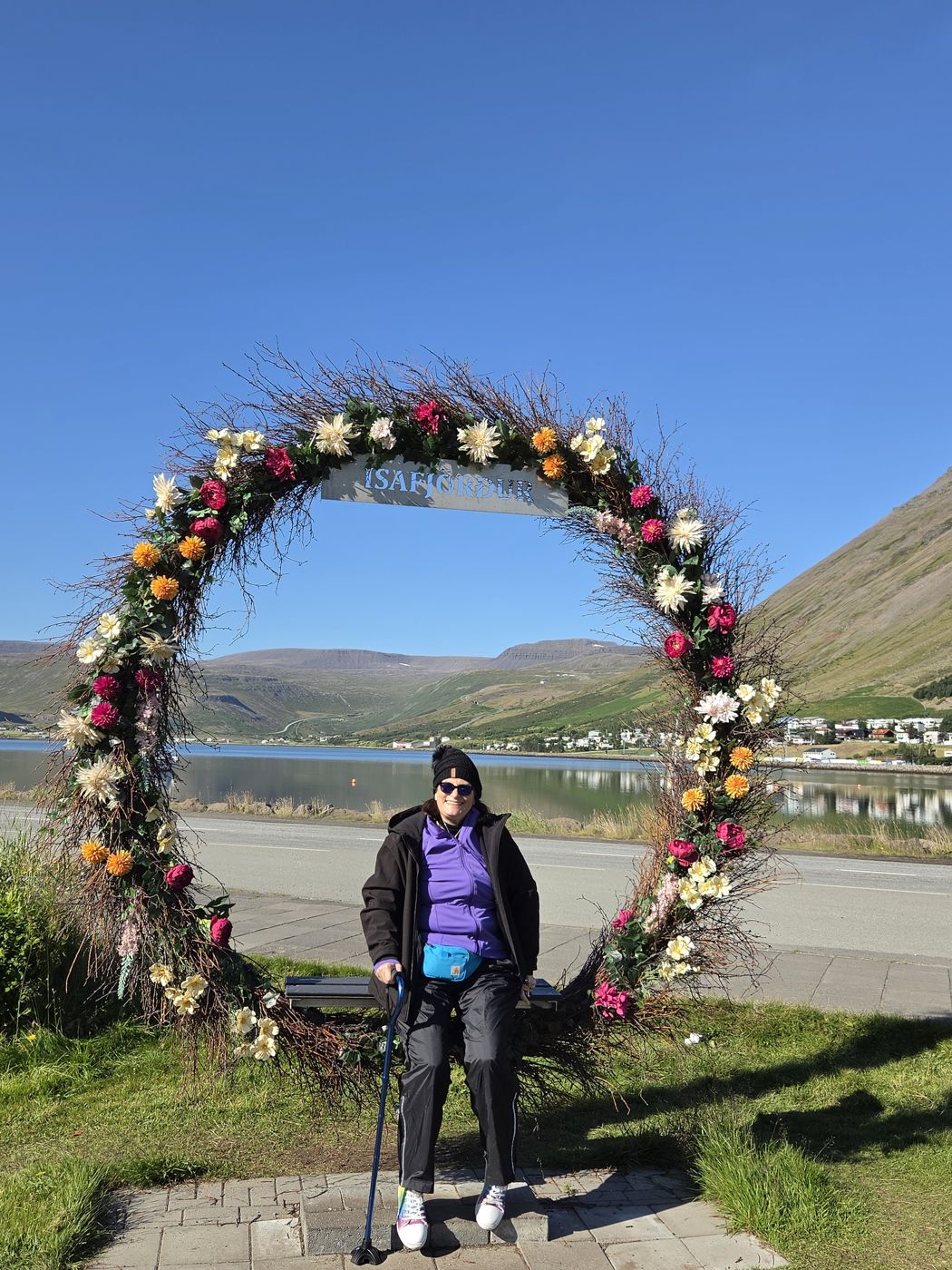
If you're planning an Iceland cruise with a mobility aid, these are good questions to ask before you book:
- Which ports use tenders, and whether your scooter or wheelchair can go on them
- Which shore excursions, if any, are accessible, or whether to book private tours
- Whether mobility scooter rentals are available at each port (the scooter I found to rent was a regular tourist scooter, not a mobility scooter)
- Adding days in Reykjavík before or after your cruise, which made my trip
Look up any Iceland port in my Port Finder to see whether ships dock or tender there.
Before you book an excursion: check age and medical rules
On my cruise, an older couple couldn't go on an excursion they had already paid for, because they didn't know that travelers their age needed a medical clearance from their doctor. Some Iceland tours require a doctor's signed approval for travelers 60 and older. Snorkeling in the Silfra fissure is one example, and some operators also set an upper age limit. The tour companies say there are real medical reasons, but if no one tells you before you leave home, you can lose your excursion and your money.
In my experience, Iceland can be hard for travelers with mobility challenges, and some excursion rules feel unfair to older travelers. So read the fine print on every excursion for age limits and medical forms before you leave home, and ask me if you'd like help looking. That way there's time to see your doctor.
Packing and budget: Iceland is expensive
Iceland is expensive, so budget for it. Meals, tours, and even snacks cost more than you might expect.
Rent your winter gear: you don't have to buy and pack a whole winter wardrobe. Shops in Reykjavík rent jackets, parkas, pants, shoes, and gloves for your tours, which saves both suitcase space and money.
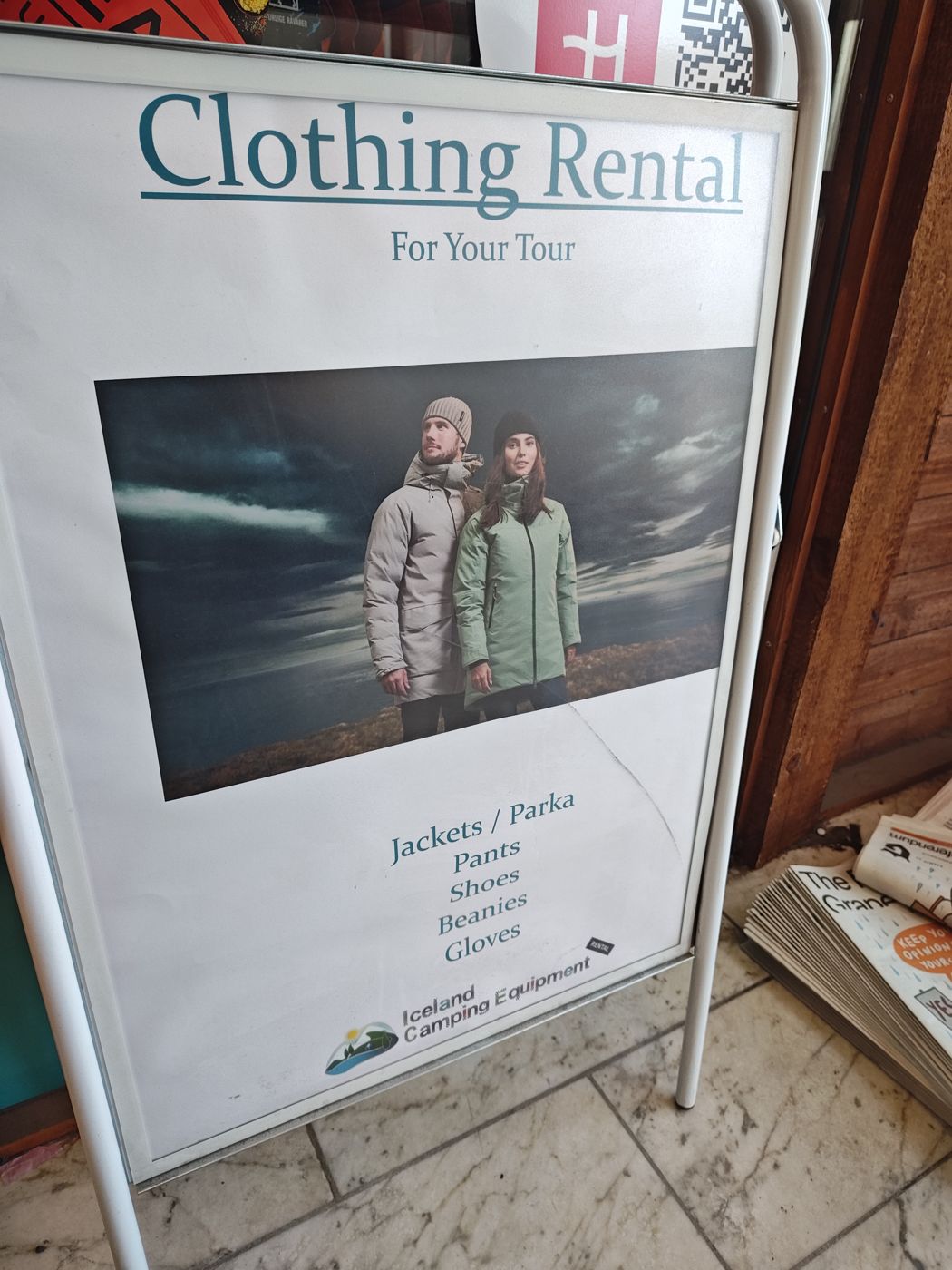
More tips from a fellow traveler that I found helpful:
- Pack layers instead of heavy winter gear: summer can be cool and rainy rather than freezing, so a T-shirt, a hoodie, a rain jacket, a hat, and gloves go a long way.
- Bring a good rain jacket and check the weather often.
- Use a currency conversion app, since prices in Icelandic króna are hard to convert in your head.
- If you're driving, download a parking app before you go, since many waterfalls and beaches charge for parking.
- Many hotels don't have air conditioning, so a small rechargeable fan can help if you like moving air when you sleep.
- The airport can be busy and delays happen, so leave extra time.
When to go
Cruise season runs about May to September. June brings the midnight sun, puffins are around mid-May to mid-August, and whale watching runs about April to October. For the northern lights, you need dark skies, so think September through April.
Inspection reports
Ready to be it?
Call or text me, or tell me about your dream trip. Where you want to go, who's coming, and what you need to travel comfortably. We'll take it from there.